The real risk of human error
In the United States in 1998, a white woman gave birth to twins, one with white skin and the other with dark skin. The press baptized this incident as the “case of the scrambled eggs”. Everything happened when a human error in the fertility laboratory led to the implantation of an embryo of an African-American couple in the womb of this woman. The courts, after long and painful deliberations, decided that the dark-skinned baby would go to the parents whose embryo was implanted by mistake.
From the first reported case of error and confusion in cases of assisted reproduction technologies in 1987 in Manhattan (USA), the accidental use of incorrect gametes during assisted reproduction procedures have been reported in several countries such as in the Netherlands, Italy and the United Kingdom. Many of these cases were detected because the couples gave birth to babies with a different skin color than theirs, or because the fertility centers discovered the errors and informed the parents. Therefore, it is possible that several cases of confusion of gametes or embryos are presented and not detected. An identification error of a biological sample can be devastating for the fertility center, for medical personnel and especially for patients.
In Italy, for example, a public hospital was the center of attention for a case of wrong embryos implanted in two women. Only one of these women had a successful pregnancy, and at the end of 9 months, the woman who did not get pregnant claimed her rights over babies.
The solution: Witness technology
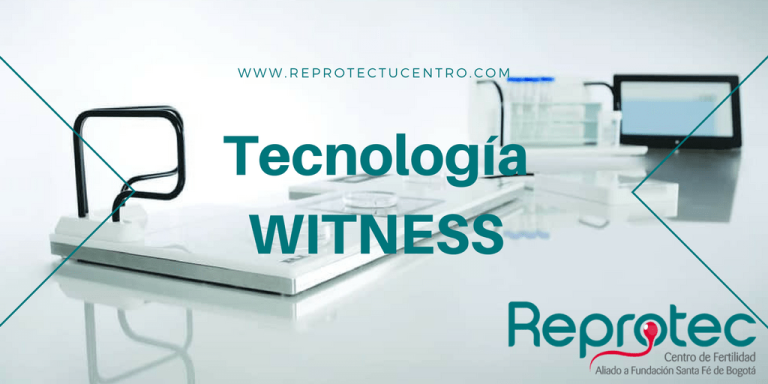
Since 2007, Witness technology has helped prevent potential errors and manage fertility activities around the world. This implies that patients, laboratory personnel and medical specialists have the peace of mind to fully trust the accuracy of the procedures.
Witness uses RFID to detect and monitor all activity in the fertility lab. The system helps mitigate the risk of human error when the biological material moves from one tube to another, and checks every step of the in vitro fertilization process. Compared to other verification methods, Witness causes less disruption and speeds up the checking speed by reducing the time the embryo is outside the incubator. Using the Witness system to verify the actual human error rate, it was found that approximately 0.11% of the actions carried out resulted in an identification error, which can be avoided thanks to this technology.
Advantages for patients
Studies have found that more than 90% of in vitro fertilization patients feel apprehension at the possibility of a laboratory error resulting in a confusion of embryos. This apprehension translates into an important source of stress for couples who receive in vitro treatment, in addition to the general stress generated by fertility treatment. Nearly 100% of the patients surveyed (97.1%) reported feeling calm knowing that their fertility center uses Witness technology, reducing the possibility of these errors to about 0. For this reason, countries like the United Kingdom have introduced legislation that forces the Fertility centers to have this technology, however worldwide the use of it is still very low.
At Reprotec, being at the forefront of scientific leadership, we are pioneers in the use of Witness technology to ensure our patients the best results in their fertility treatment.