
March is the month of awareness on theEndometriosis, a chronic gynecological condition that affects approximately 1 in 10 women of reproductive age in the world.
Despite being so frequent, it is still a poorly understood and often visible disease. For many women, endometriosis doesn’t just mean physical pain. It also involves years of uncertainty, late diagnoses and, in some cases, difficulties in achieving pregnancy.
Talking about endometriosis is important since Recognizing your symptoms in time can make a big difference in the quality of life and reproductive health of women.
What is endometriosis?
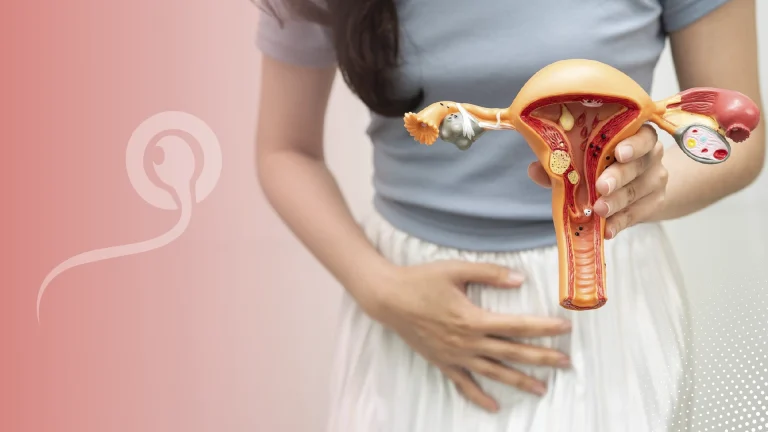
The Endometriosis It occurs when an endometrial-like tissue (the tissue that covers the inside of the uterus) grows out of it, usually in organs such as:
- ovaries
- Fallopian tubes
- Pelvic peritoneum
- bladder or intestine
This tissue can appear in different areas of the pelvis, such as the ovaries, the fallopian tubes or the peritoneum. In some cases it can also affect other nearby organs.
Like the endometrium, this tissue responds to hormonal changes in the menstrual cycle. That is why it can cause inflammation, pain and, in some cases, the formation of adhesions or cysts.
between the Most frequent symptoms of endometriosis meet:
- Severe menstrual pain
- Chronic pelvic pain
- Pain during sex
- Constant fatigue or fatigue
- Difficulties in achieving pregnancy
However, one of the peculiarities of this disease is that Not all women have the same symptoms, and some may even have endometriosis without knowing it.
This not only affects physical health. Chronic pain associated with the disease can also have consequences in other aspects of life, many women experience difficulties maintaining their daily routine, attending work, or participating in social activities during episodes of pain.
Therefore, today it is recognized that endometriosis is not only a gynecological issue. It is also a topic that impacts well-being, productivity and quality of life of millions of women.
Visibility of this disease helps more women recognize their symptoms and seek medical guidance.
The challenge of late diagnosis
One of the biggest challenges of endometriosis is the time it can take to diagnose.
Various studies show that the diagnosis may take a long time between 7 and 10 years from the appearance of the first symptoms. During that time, many women normalize severe menstrual pain or receive explanations that fail to resolve what they are experiencing.
It is common for patients to go through multiple consultations before obtaining a clear diagnosis.
This delay not only affects the quality of life, it can also have an impact on the reproductive health, especially when the disease progresses without proper management.
For this reason, there is more and more talk of the importance of Listen to the symptoms and consult in time.
Endometriosis and fertility: a relationship that many women are unaware of One of the most frequently asked questions is whether theEndometriosis affects fertility.
It is estimated that Between 30% and 50% of women with endometriosis may have difficulty achieving pregnancy.
This occurs because the disease can alter different aspects of the reproductive system.
For example, you can:
- Modify the anatomy of the pelvis
- generate chronic inflammation
- affect the quality of eggs
- alter the environment where fertilization occurs
This does not mean that all women with endometriosis will have problems getting pregnant. However, it is a condition that requires medical monitoring and proper management, especially in women who want to be mothers.
In recent years, advances inreproductive medicineThey have opened new alternatives for women with endometriosis who want to preserve their fertility or seek a pregnancy.
Depending on each case, specialists can evaluate different strategies that allow the reproductive project of each patient to be accompanied.
To achieve this, it is key to have:
- timely diagnosis
- Specialized medical evaluation
- appropriate technology for each case
Each woman lives endometriosis differently, so the approach should always be personalized.
Talking about endometriosis is also preventing
The conversation about endometriosis should not be limited only to the month of awareness.
The more information exists about this disease, the more women will be able to recognize their symptoms, consult in time and receive adequate accompaniment.
Visibility of endometriosis is an important step in moving towards earlier diagnoses and better management options.
Because when it comes to reproductive health,Understanding what is happening on time can make an important difference.