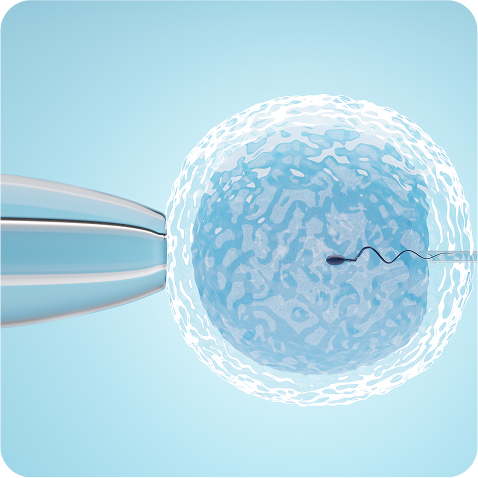
Preimplantation genetic testing (PGT) refers to specialized exams that analyze the genetic material of embryos created through in vitro fertilization (IVF), before being transferred to the uterus. This procedure often improves the chances of achieving a successful pregnancy and reduces the risk of passing on hereditary genetic diseases.
The main types of PGT are:
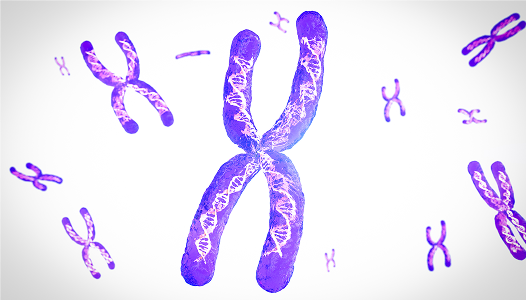
PGT-A (aneuploidies): detects abnormalities in the number of chromosomes, such as those found in Down syndrome, Edwards syndrome, among others.
PGT-M (monogenic diseases): identifies mutations associated with hereditary diseases such as cystic fibrosis, muscular dystrophy, or hemophilia.
PGT-SR (structural rearrangements): detects abnormalities in chromosome structure, such as translocations or inversions.
These tests are performed through a careful embryo biopsy (taking 5 to 10 cells), and results are usually available in about 3 weeks.
To perform PGT, it is necessary to have completed an in vitro fertilization (IVF) cycle and to have viable fertilized embryos between day 5 and 7 of development (blastocyst stage).
Preimplantation genetic testing is a key tool to increase implantation rates, reduce the likelihood of miscarriage, and support the development of a healthy full-term pregnancy.